Comments on the National Water Act Amendment Bill
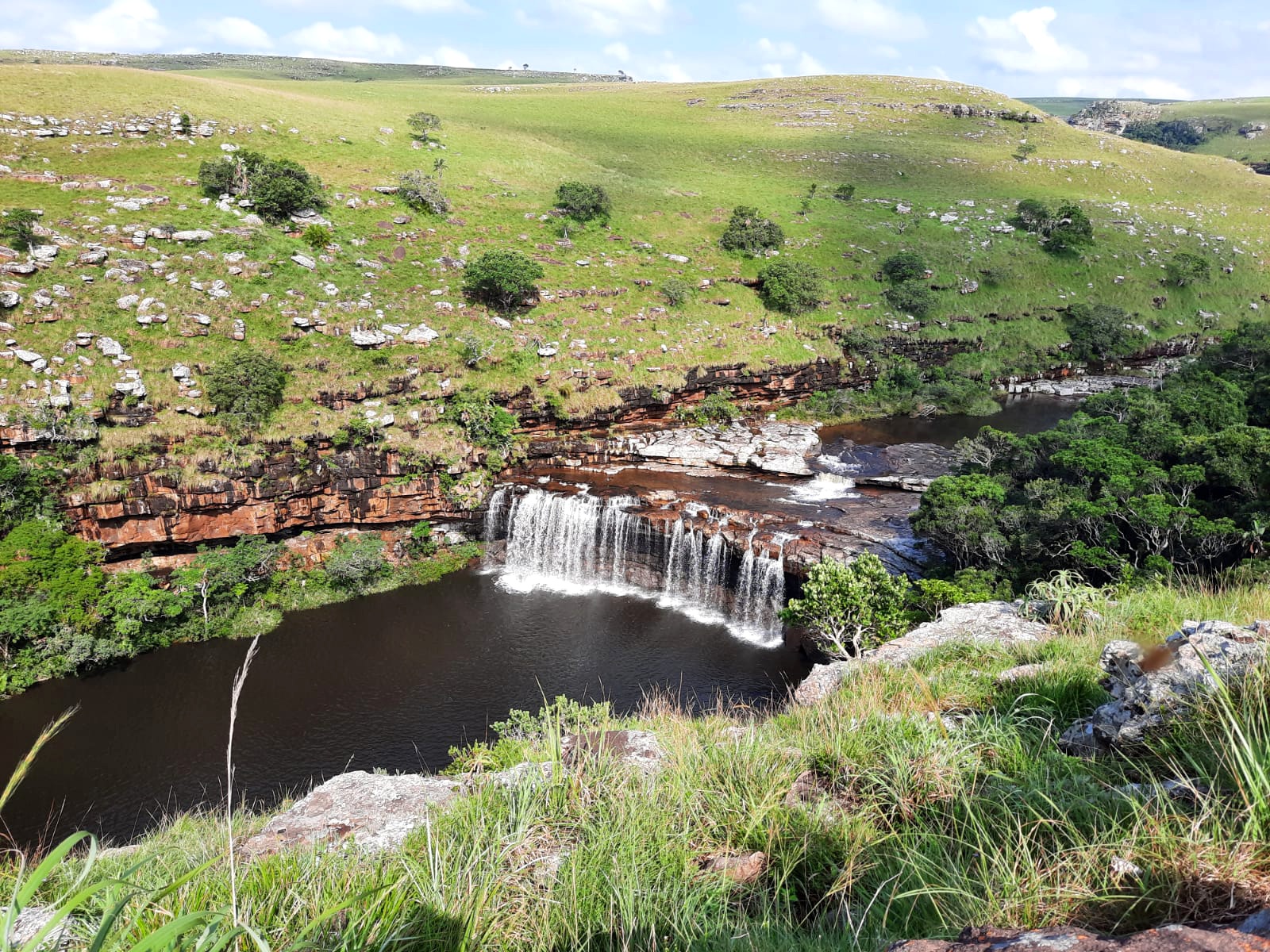
On 30 July 2026, the Biodiversity Law Centre, together with Natural Justice, submitted detailed comments on the National Water Act Amendment Bill [B1-2026]. Our comments were submitted to the Portfolio Committee on Water and Sanitation, and are endorsed by the Southern African Faith Communities’ Environment Institute and the Green Connection.
The Amendment Bill proposes wide-ranging changes to the National Water Act 36 of 1998. It introduces new protections for Strategic Water Source Areas (the roughly 8% of South Africa’s land area that generates around half of the country’s total surface water run-off); recognises climate change and climate variability in the Act’s purpose for the first time; overhauls the rules governing water allocation, redress and reallocation; prohibits private trading in water use entitlements; and increases the penalties for water-related offences. It is, in short, a Bill that will shape how South Africa’s water resources are protected, allocated and governed for years to come.
South Africa is one of the most biodiverse countries in the world, and among the driest: average annual rainfall is roughly half the global average. Our biodiversity is inseparable from the health of our rivers, wetlands and estuaries. These ecosystems are simultaneously among the most biodiverse and the most threatened in the country. Water security, properly understood, is not simply a question of volume: it depends on functioning ecosystems to purify, regulate and replenish the water on which people, agriculture, industry and nature all depend. Getting this Bill right matters enormously, both for realising equitable access to water for those who have historically been denied it, and for the ecosystems that make that access sustainable in the long run.
While welcoming the Amendment Bill’s ambition (particularly its strengthened redress provisions, its explicit recognition of climate change, its new protections for Strategic Water Source Areas, and its increased penalties for offences) our submission identifies significant gaps that must be addressed before the Bill is enacted. Our comments raise concerns across four main, interconnected themes:
1. Biodiversity, ecological integrity and access to water
Biodiversity, ecological integrity, sustainable water use and equitable access to water are not separate policy objectives to be traded off against one another. They are legally and functionally interdependent. Yet the Amendment Bill does not integrate biodiversity considerations into the classification system that sets binding resource quality objectives, and gives no recognition to water resources of high ecological importance as distinct from water-supply importance, under its new Strategic Water Source Area framework. We recommend that Freshwater Ecosystem Priority Areas and other nationally recognised biodiversity datasets be written into the Bill’s own definitions, so that ecologically critical water resources receive the same legal protection as those important for water supply.
2. Protection of Strategic Water Source Areas
The new Chapter 3A is one of the Amendment Bill’s most substantively ambitious innovations, but it is under-protective as drafted. A three-year window before Strategic Water Source Areas must be formally identified creates a real risk that operators will expand mining, forestry or agricultural activities before protections take effect. Moreover, the review of existing water use licences for mining activities in these areas is discretionary rather than mandatory, unlike the equivalent provisions for forestry and agriculture. Strategic Water Source Areas are protected from mining only where they are categorised “high risk”. This is an arbitrarily narrower test than applies to any other regulated activity in the chapter. In addition, unlike forestry and agriculture, it receives no setback buffer protection from mining. Prospecting is not covered by any of these protections. We recommend a transitional freeze mechanism, mandatory licence review, removal of the “high risk” qualifier, setback buffer protection against mining, and bringing prospecting within the chapter’s protections.
3. Water allocation reform, equity and accountability
The Bill’s strengthened redress provisions are a genuine and important shift. However, several of its new discretionary powers such as the reallocation of water between sectors and catchments, curtailing existing entitlements, and determining whether an applicant is a “fit and proper person”, are not matched by adequate transparency or accountability safeguards. There is, for example, no requirement to consult affected communities before a reallocation decision, and no right to make representations before an entitlement is curtailed, even though an equivalent right already exists elsewhere in the Act for comparable enforcement powers. We recommend proactive publication of reasons for key decisions, meaningful consultation requirements, and public reporting on how these significant new powers are exercised.
4. Climate resilience and long-term water security
The Amendment Bill’s recognition of climate change in the Act’s purpose is an improvement, but it sits uneasily alongside a proposed extension of the national water resource strategy’s review cycle from five years to ten. A strategy that can remain unrevised for a decade is a poor tool for managing a resource whose availability is becoming more variable, not less. We recommend that the five-year review cycle be retained, and that climate considerations be built into the Bill’s operational provisions (licensing, monitoring and Reserve determinations) and not left at the level of a symbolic statement of purpose.
Our submission also flags a number of issues the Amendment Bill does not address at all, including the protection of groundwater and aquifer systems, chronic municipal wastewater non-compliance, and the funding required to implement the national water resource strategy and catchment management strategies.
We look forward to engaging further with the Department of Water and Sanitation and the Portfolio Committee as the Amendment Bill proceeds through Parliament.
Our comments, together with SAFCEI and the Green Connection’s endorsement letters can be found below: