Biodiversity Law Centre raises serious concerns over proposed fracking regulations
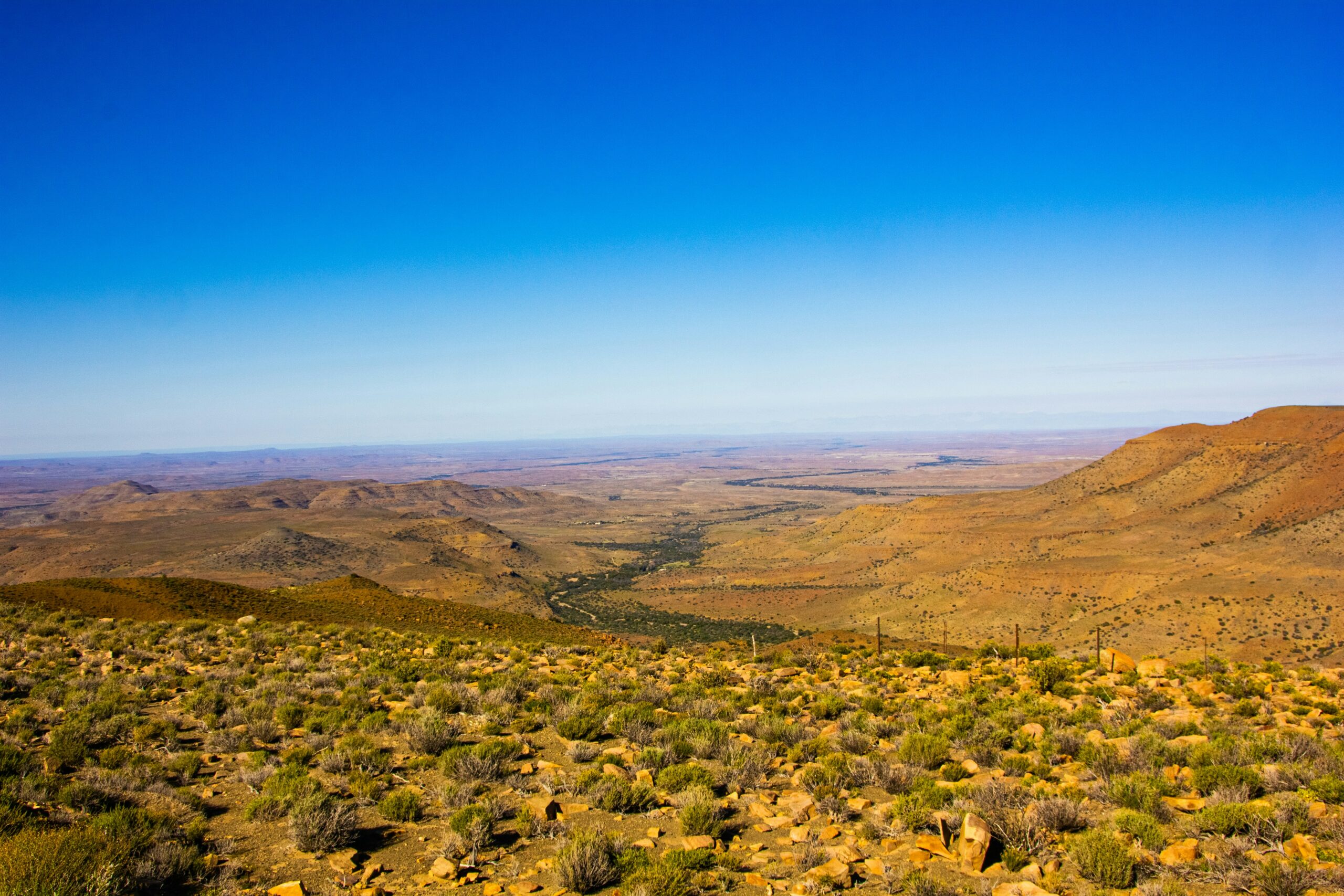
The Biodiversity Law Centre (BLC) has submitted detailed legal and scientific comments on the proposed regulations governing onshore petroleum exploration and production using fracturing technology (“fracking”), warning that the draft Regulations fail to adequately protect South Africa’s biodiversity, water resources, and constitutional environmental rights.
The Regulations, published by the Department of Forestry, Fisheries and the Environment (DFFE) in November 2025, set out the rules for exploration and production activities requiring fracturing technology. While the BLC welcomes the opportunity to comment, its submission highlights significant shortcomings and risks that must be addressed before any such activities are permitted, and cautions whether it should in fact be permitted at all considering the risks.
South Africa is one of the most biodiverse countries in the world, and biodiversity underpins food systems, water security, climate resilience, and livelihoods. The BLC’s submission emphasises that decisions about fracking must be evaluated in light of the State’s constitutional duty to protect the environment for present and future generations and its international commitments to halt biodiversity loss.
The BLC’s concerns focus particularly on the risks fracking poses to water ecosystems, biodiversity, and climate stability. The submission notes that the proposed regulations do not sufficiently account for the complex and interconnected nature of ecosystems, particularly groundwater-dependent environments such as wetlands, springs, and river systems. These systems are especially vulnerable in arid and semi-arid regions, where small changes in groundwater levels or quality can trigger irreversible ecological damage. Even without visible contamination, activities like large-scale water abstraction, pressure changes underground, and the movement of fluids can alter natural flow patterns, reduce spring and wetland discharge, and undermine the ecological integrity of aquatic systems. Because these impacts may take years or even decades to become apparent and may be difficult or impossible to reverse, the submission calls for a far more precautionary, ecosystem-based approach that prioritises the protection of water ecosystems before any fracturing activities are authorised.
The BLC also raises concerns about weak oversight and transparency mechanisms. The draft regulations rely heavily on monitoring conducted by operators themselves, without clear obligations on authorities to review, verify, or act on the information provided. In addition, the absence of a centralised public database for monitoring data could make it difficult for affected communities, researchers, and regulators to identify risks and respond to potential environmental harm.
Another major concern is the proposed designation of the Petroleum Agency of South Africa (PASA) as the primary oversight body. The BLC argues that this creates a structural conflict, as the agency’s existing mandate includes promoting petroleum development, which may be at odds with the environmental protection responsibilities required under environmental legislation upon which the Regulations are based and purport to protect the environment.
While the BLC acknowledges positive elements in the draft framework, including a focus on monitoring and baseline assessments, it concludes that the regulations, in their current form, fall short of ensuring that biodiversity and water resources are properly safeguarded.
Given the scale and uncertainty of potential impacts, the BLC calls for a precautionary, science-based approach and urges government to strengthen the regulatory framework to ensure robust protection of ecosystems and communities.
The submission is endorsed by Natural Justice, the Centre for Environmental Rights, the Southern African Faith Communities’ Environment Institute, and The Green Connection. For more information, read the full submission
For more information, read the full submission: